

- 48 Views
- 10 Min Read
- (0) Comment
K2 Base Camp Trek: The Ultimate Adventure in Pakistan’s Karakoram Mountains
Discover K2 Base Camp, Concordia, the Baltoro Glacier, and the spectacular mountain scenery of northern Pakistan with Summit K2 Trek and Tours.
The K2 Base Camp Trek is one of the world’s most extraordinary high-altitude trekking adventures. Located in the mighty Karakoram Range of Gilgit-Baltistan, Pakistan, this unforgettable journey takes trekkers through remote valleys, enormous glaciers, dramatic granite towers, and some of the highest mountains on Earth.
K2, also known as Chogori, stands at 8,611 metres (28,251 feet) above sea level, making it the second-highest mountain in the world after Mount Everest. The trek offers adventurous travellers the opportunity to experience this legendary mountain at close range without attempting a technical mountain climb. “Source: Gilgit-Baltistan Tourism Department” (https://e-tourism.visitgilgitbaltistan.gov.pk/tourist-destinations/k2)
With Summit K2 Trek and Tours, you can explore the legendary Baltoro Glacier, camp beneath towering mountain peaks, experience the hospitality of local mountain communities, and discover the breathtaking beauty of the Karakoram wilderness.
- How Many Days Does the K2 Base Camp Trek Take?
A complete K2 Base Camp trekking adventure generally takes around 18–22 days, depending on the itinerary, travel arrangements, acclimatisation requirements, and weather conditions. Some itineraries are shorter, while others include additional rest days and sightseeing.
The main trekking section usually begins in Askole, the last major village on the traditional route, and continues towards Paiju, Urdukas, Goro II, Concordia, and K2 Base Camp before returning along the same route.
Recommended 20-day itinerary
- Day 1: Arrival in Islamabad, Pakistan.
- Day 2: Travel to Skardu by flight or road, depending on conditions.
- Day 3: Explore Skardu and prepare for the trek.
- Day 4: Jeep journey from Skardu to Askole.
- Day 5: Trek from Askole to Jhola.
- Day 6: Trek from Jhola to Paiju.
- Day 7: Rest and acclimatisation at Paiju.
- Day 8: Trek towards Khoburtse across the Baltoro Glacier region.
- Day 9: Trek to Urdukas.
- Day 10: Trek to Goro II.
- Day 11: Trek to Concordia.
- Day 12: Trek to K2 Base Camp and return to the planned campsite, depending on the itinerary.
- Day 13: Begin the return journey towards Goro I or another suitable campsite.
- Day 14: Trek towards Khoburtse.
- Day 15: Trek to Paiju.
- Day 16: Trek to Jhola.
- Day 17: Trek back to Askole.
- Day 18: Jeep journey to Skardu.
- Day 19: Return to Islamabad, subject to travel arrangements.
- Day 20: Departure or an additional contingency day, depending on the booking plan.
This is an illustrative itinerary. Actual camping locations, walking distances, and travel days may change because of glacier conditions, weather, road access, and safety requirements. A longer itinerary is recommended when additional acclimatisation or contingency days are needed.
- How Many Kilometres Is the K2 Base Camp Trek?
The classic return trek from Askole to K2 Base Camp and back covers approximately 100–160 kilometres of walking, depending on the route, camping locations, side trips, and distance-measurement method. The full journey from Islamabad and back is longer because it also includes road or air transfers.
Trekkers usually walk for approximately 5–8 hours per day. Some stages are longer and more demanding, particularly on uneven glacial terrain.
The main route includes:
- Askole: the traditional starting point of the trek.
- Jhola: a campsite along the Braldu River valley.
- Paiju: an important resting and acclimatisation point.
- Khoburtse and Urdukas: campsites surrounded by dramatic mountain scenery.
- Goro II: a high-altitude campsite on the Baltoro Glacier.
- Concordia: the spectacular meeting point of major glaciers.
- K2 Base Camp: the destination beneath the legendary K2.
Distances vary between operators, so trekkers should confirm the daily walking schedule before departure.
- Camping During the K2 Base Camp Trek
Camping is an essential part of the K2 Base Camp experience. Beyond Askole, accommodation options are extremely limited, and most nights are spent in organised campsites surrounded by glaciers, mountains, and wilderness.
With Summit K2 Trek and Tours, camping arrangements can be planned to suit the group size, season, and expedition package.
A typical camping setup may include:
- Comfortable expedition or dome tents.
- Sleeping arrangements based on the selected package.
- Dining tents for meals and group gatherings.
- Cooking equipment and support from the kitchen crew.
- Breakfast, lunch, dinner, and hot drinks according to the package.
- Designated waste collection and responsible campsite management.
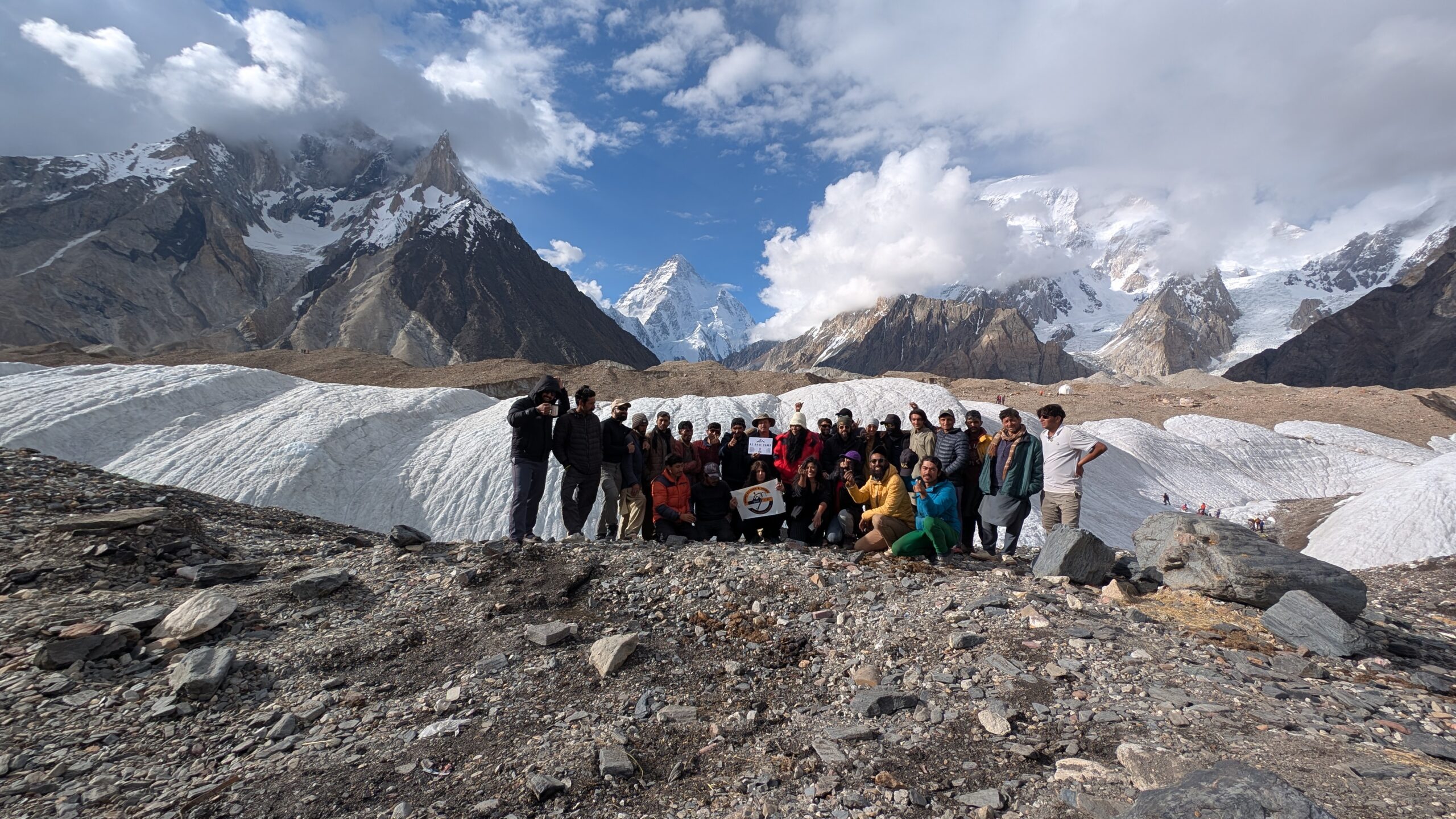
At Paiju, trekkers can rest and prepare for the demanding glacier stages ahead. Urdukas offers dramatic views of the surrounding granite towers, while Goro II provides an extraordinary high-altitude wilderness experience.
At Concordia, the landscape becomes even more spectacular. The enormous mountains surrounding the campsite create an unforgettable setting for photography, relaxation, and appreciation of the Karakoram.
Camping conditions are basic compared with hotels. Nights can be very cold, particularly at higher elevations, so a suitable sleeping bag, insulated clothing, and proper trekking equipment are essential.
- How Difficult Is the K2 Base Camp Trek?
The K2 Base Camp Trek is considered strenuous and physically demanding. It is best suited to travellers with good fitness, preparation, and a willingness to walk for many consecutive days at high altitude.
Although reaching base camp does not require technical climbing skills, the terrain is challenging. Trekkers must cross rocky paths, loose moraine, uneven glacier surfaces, and steep or slippery sections.
The highest point of the standard route is K2 Base Camp, at approximately 5,100–5,150 metres above sea level, depending on the exact location.
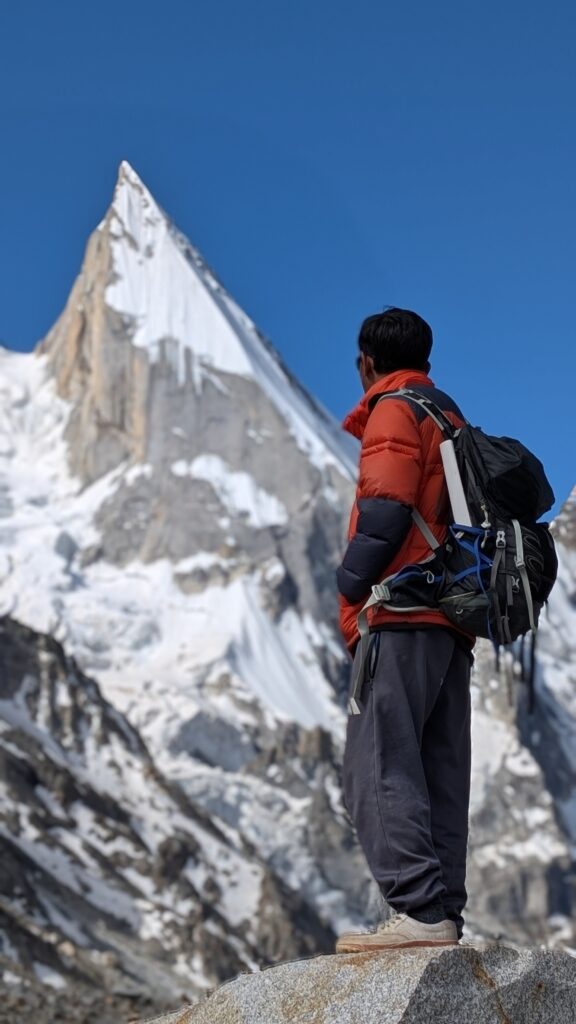
The main challenges include:
- High altitude: Lower oxygen levels can cause headaches, fatigue, nausea, and potentially serious altitude illness.
- Long walking days: Several consecutive days may involve 5–8 hours of walking.
- Rugged terrain: Glacier moraine can be unstable and difficult to cross.
- Cold temperatures: Strong winds and freezing nights are possible.
- Remote conditions: Medical facilities and emergency evacuation options are limited.
How should you prepare?
Begin physical preparation well before departure. Regular hiking, uphill walking, cardiovascular exercise, and strength training can help improve endurance.
Follow your guide’s advice on walking pace, hydration, rest, and acclimatisation. Never ignore symptoms of altitude illness. Severe or worsening symptoms require immediate assessment and, when indicated, descent.
Previous multi-day trekking experience is highly beneficial. A responsible itinerary should include sufficient acclimatisation and flexibility for changing conditions.
- Weather and the Best Time to Visit K2 Base Camp
The main trekking season is generally June to September, with July and August among the most popular months. Weather conditions vary considerably from year to year, and no month guarantees clear skies or safe conditions.
June
Early summer brings the beginning of the main trekking season. Conditions can still be cold, and snow or difficult trail conditions may affect parts of the route.
July
July is a popular period for trekking in the Karakoram. Longer daylight hours can provide opportunities to enjoy the scenery, although rain, snow, wind, and cloud cover remain possible.
August
August can offer excellent trekking opportunities and dramatic mountain views. Temperatures remain highly variable, particularly at higher camps and on exposed glaciers.
September
September may provide quieter trails and clear autumn conditions on some days, but temperatures drop and the risk of severe cold increases. Weather windows and local route conditions must be assessed carefully.
At lower elevations, daytime temperatures may feel warm in direct sunlight. At high-altitude camps, temperatures can fall below freezing, particularly overnight.
Pack layered clothing, waterproof outerwear, insulated gloves, a warm hat, sunglasses, sunscreen, and a suitable sleeping bag. Before departure, obtain an updated forecast and advice from your trekking operator.
- Porters and the Local Trekking Crew
Porters and local support staff are essential to many K2 Base Camp expeditions. Their work helps make a journey through this remote region possible.
Depending on the package, the support team may include local guides, porters, cooks, camping staff, and logistics coordinators.
Porters help transport agreed expedition supplies, food, tents, and other equipment along the route. This allows trekkers to concentrate on walking with a manageable daypack.
A well-organised trekking operation should ensure that:
- Porter loads comply with applicable regulations and responsible operating practices.
- Food, camping equipment, and supplies are arranged in advance.
- Staff receive appropriate clothing, equipment, and logistical support.
- Campsites are managed responsibly.
- Waste is collected and carried out in accordance with the trip’s waste-management plan.
The local people of Askole and surrounding mountain communities have extensive knowledge of the terrain, weather, and challenges of high-altitude travel. Working respectfully with local staff supports livelihoods and helps preserve the cultural heritage of the region.
At Summit K2 Trek and Tours, the expedition plan can be tailored to the group’s requirements, including the number of trekkers, camping arrangements, and porter support.
- Mountain Views Along the K2 Base Camp Route
One of the greatest rewards of this trek is the extraordinary concentration of high mountains and dramatic rock formations.
K2 — 8,611 metres
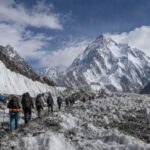
K2 is the main attraction of the journey. Its immense pyramid rises above the surrounding glaciers, creating one of the most impressive mountain scenes in the world.
Concordia — The Throne Room of the Mountain Gods
Concordia is one of the most celebrated mountain viewpoints in Pakistan. Here, trekkers encounter a remarkable panorama of the Karakoram, including K2 and other enormous peaks.
The area provides a memorable opportunity to appreciate the scale of the mountains and the vastness of the surrounding glaciers.
Broad Peak — 8,051 metres
Broad Peak stands near K2 and forms part of the extraordinary collection of high peaks around Concordia. Its immense ridges and snow-covered slopes contribute to the dramatic scenery.
Gasherbrum I and Gasherbrum II
These two major Karakoram peaks are among the region’s famous 8,000-metre giants. Their glaciers, ridgelines, and snow-covered summits contribute to the unforgettable landscape.
Trango Towers and Cathedral Peaks
The Trango Towers are renowned for their towering granite walls and striking shapes. Cathedral Peaks add further drama to the scenery along the Baltoro approach.
Masherbrum and the Baltoro Glacier
Masherbrum dominates parts of the surrounding mountain landscape, while the Baltoro Glacier provides the route into this remote region. Walking across its rocky surface offers a rare opportunity to experience one of the world’s great mountain wildernesses.
Mountain visibility depends on weather conditions. Cloud, snowfall, and wind may affect views at any time.
- What Is Included in a K2 Base Camp Trek Package?
A trekking package should clearly explain which services are included and which are excluded. Depending on the selected Summit K2 Trek and Tours package, arrangements may include:
- Airport transfers and accommodation in Islamabad or Skardu.
- Transport between Skardu and Askole.
- Licensed local trekking guides and support staff.
- Porters for agreed loads and expedition equipment.
- Camping equipment and organised campsites.
- Meals during the trekking period.
- Applicable trekking permits and required fees.
- Waste-management arrangements.
- Assistance with itinerary planning and local logistics.
International flights, personal trekking equipment, travel insurance, emergency evacuation coverage, tips, and additional hotel nights may be excluded unless specifically stated in the booking agreement.
Permit requirements and fees should be confirmed for the traveller’s nationality, route, and departure date.
- Responsible and Sustainable Trekking in the Karakoram
The Baltoro Glacier and surrounding mountain environment are precious natural landscapes. Responsible trekking helps protect these places for future generations.
Trekkers should avoid leaving rubbish at campsites, follow designated waste procedures, respect local customs, and listen to the instructions of their guide.
Single-use plastics should be minimised wherever practical. All expedition members should take part in keeping campsites clean and ensuring that waste is handled appropriately.
Supporting local guides, porters, cooks, and other service providers also helps sustain the communities that make trekking in this region possible.
- Book Your K2 Base Camp Trek with Summit K2 Trek and Tours
Are you dreaming of standing beneath K2, exploring the legendary Baltoro Glacier, and witnessing the spectacular mountains of Concordia?
Summit K2 Trek and Tours offers locally organised trekking and adventure-tour services in Pakistan. We can help plan your K2 Base Camp journey according to your travel dates, group size, fitness level, preferred itinerary, and budget.
Whether you are travelling independently, joining a group departure, or arranging a private trek with friends, contact us to discuss the available options.
Contact and Booking Details
Company: Summit K2 Trek and Tours
Destination: K2 Base Camp, Concordia, and the Baltoro Glacier, Gilgit-Baltistan, Pakistan
Starting point: Islamabad or Skardu, depending on the package
Typical duration: 18–22 days for a full trip, depending on the itinerary
Best trekking season: June to September, subject to local conditions
Website: www.summitk2.com
Email: info@summitk2.com
WhatsApp / Phone: 03408500983
Contact us today to request a detailed itinerary, current prices, group departure dates, and a list of included services.
Your Karakoram adventure begins with the right plan. Join Summit K2 Trek and Tours and discover the extraordinary beauty of K2 Base Camp in Pakistan.


Leave a comment: