

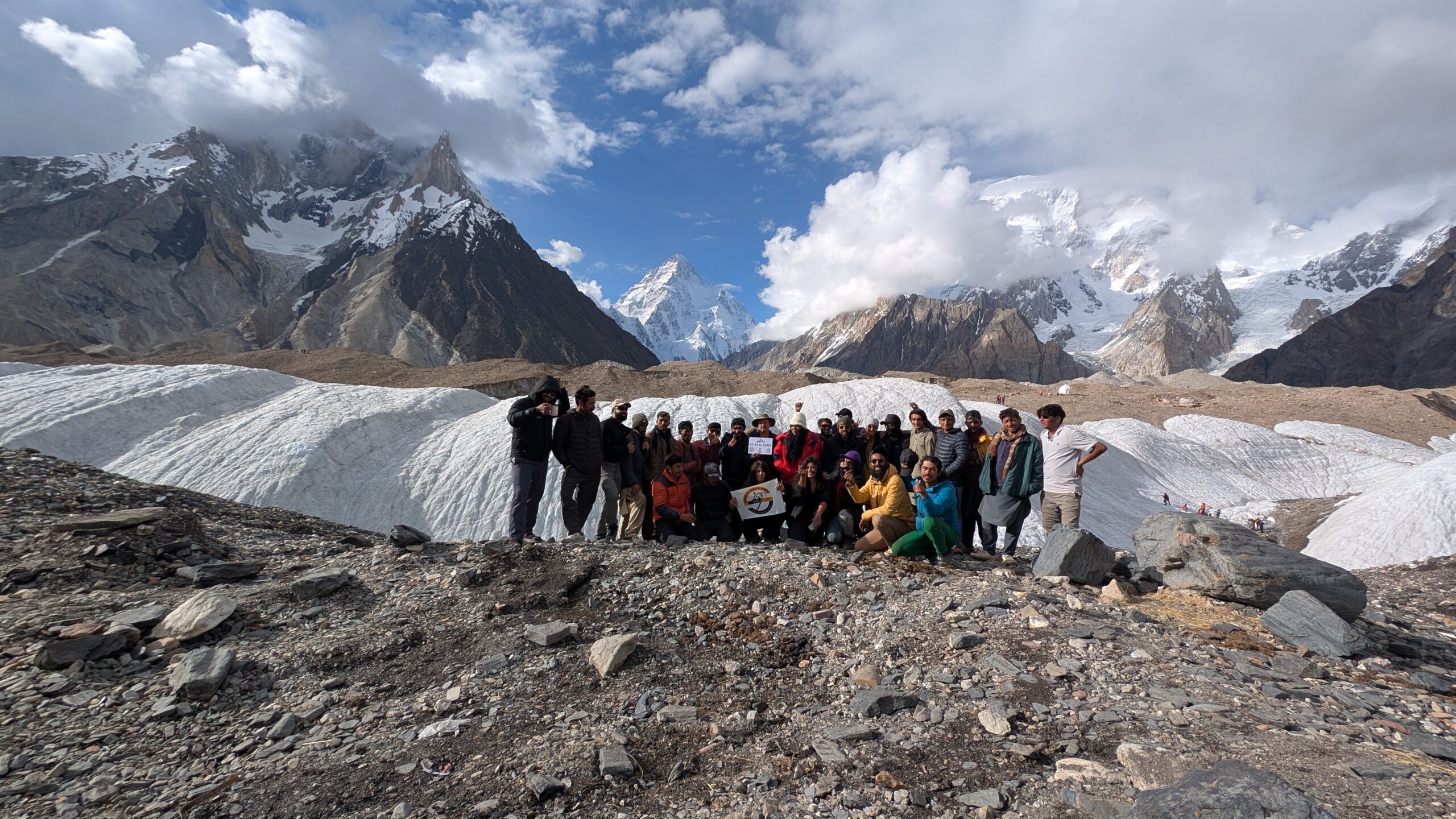

- 41 Views
- 13 Min Read
- (0) Comment
| Quick Summary The K2 Base Camp Trek is a strenuous high-altitude trek, but the standard route to K2 Base Camp is not a technical climb. You do not need to be a mountaineer to reach base camp. You do need strong walking endurance, good leg strength, confidence on uneven terrain, and enough preparation for repeated trekking days at altitude. K2 Base Camp is commonly cited at about 5,150 m, while K2 itself rises to 8,611 m. Adding Gondogoro La makes the journey substantially more demanding because the high pass can involve steep snow or ice and fixed-rope procedures depending on conditions. |
Table of Contents
1. How Hard Is the K2 Base Camp Trek?
2. K2 Base Camp Difficulty at a Glance
3. What Makes the Trek Difficult?
4. K2 Base Camp vs Gondogoro La Difficulty
5. Do You Need Mountaineering Experience?
6. How Fit Do You Need to Be?
7. 12-Week K2 Base Camp Training Plan
8. Altitude and Acclimatization
9. Mental Preparation
10. Who Is the Trek Suitable For?
11. Gear and Daypack Preparation
12. Frequently Asked Questions
13. Final Advice Before Booking
How Hard Is the K2 Base Camp Trek?
The best description is strenuous but achievable for a well-prepared trekker. The difficulty does not come from one single obstacle. It comes from combining long walking days, high altitude, rough glacier and moraine terrain, expedition-style camping, cold conditions and a remote environment for many days in a row.
The standard route to K2 Base Camp is primarily a trekking challenge rather than a technical climbing objective. Most trekkers find that cumulative fatigue is the real test: you walk for hours, recover overnight in camp, then repeat the effort the next day while gradually moving higher.
For the complete route and current trip details, see the K2 Base Camp & Gondogoro La Trek offered by SummitK2.
K2 Base Camp Difficulty at a Glance
| Factor | What to Expect |
| Overall difficulty | Strenuous high-altitude trekking |
| K2 Base Camp altitude | Approximately 5,150 m |
| K2 elevation | 8,611 m |
| Technical climbing to base camp | Normally not required |
| Typical daily effort | Several hours of walking, with some longer days |
| Terrain | Rock, moraine, glacier, loose ground and uneven trail |
| Accommodation | Expedition-style camping on much of the route |
| Main challenges | Altitude, endurance, terrain, weather and remoteness |
| Prior trekking experience | Strongly recommended |
| Gondogoro La extension | Significantly more demanding |
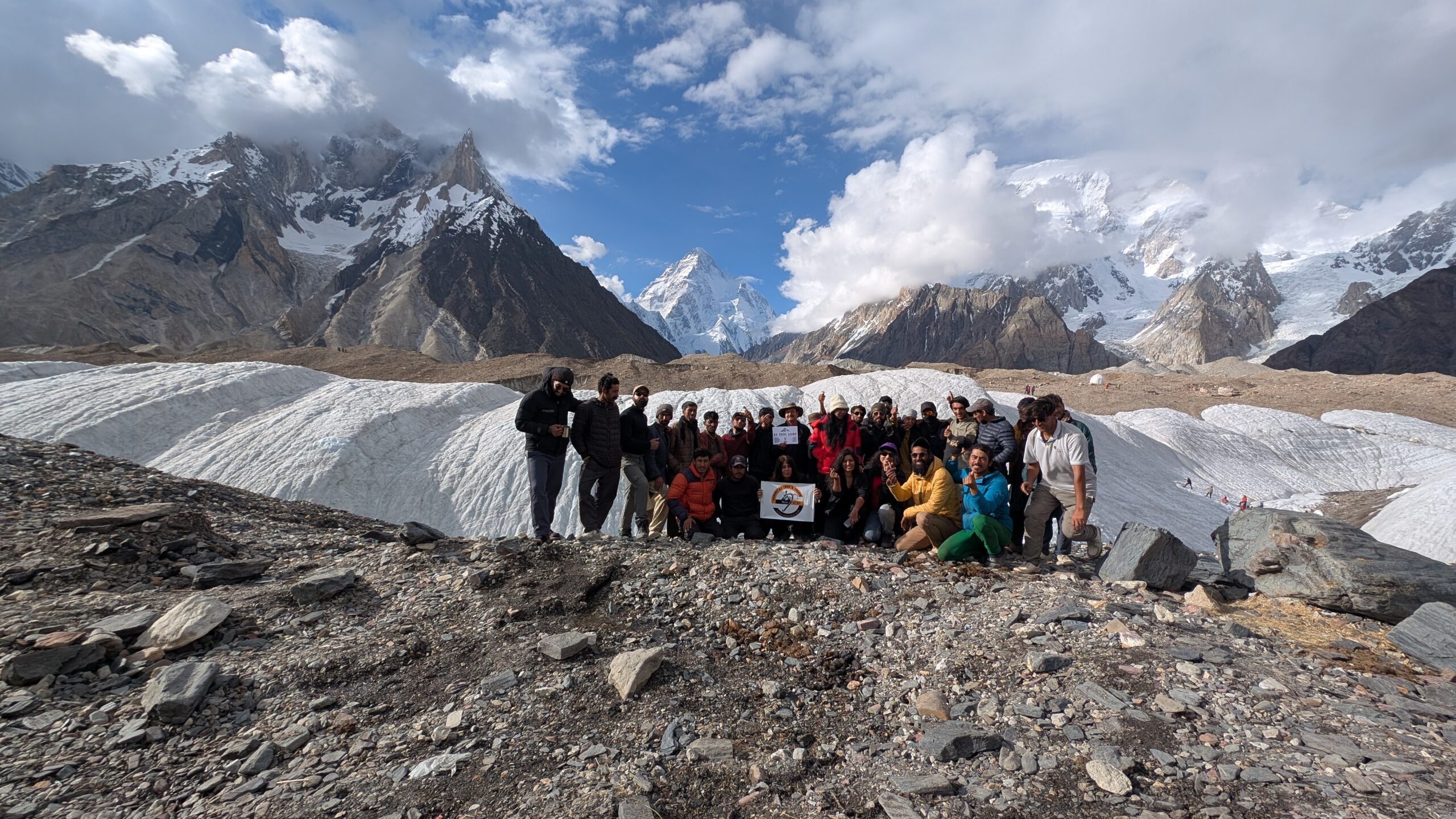
What Makes the Trek Difficult?
1. Altitude
Altitude is one of the biggest challenges. K2 Base Camp is around 5,150 m, and several days are spent high enough for the reduced oxygen level to affect pace, recovery and sleep. Being very fit does not make someone immune to altitude illness.
The safest approach is gradual acclimatization, sensible pacing and honest communication about symptoms. Fitness helps you walk, but acclimatization determines how well your body adapts to elevation.
2. Baltoro Glacier and Moraine Terrain
The Baltoro is not a smooth walking path. Large areas are covered by moraine and mountain debris, so trekkers move over loose stones, boulders, gravel, uneven ice and repeated small rises and descents. This terrain demands concentration and uses ankle, knee and stabilizing muscles differently from a flat trail.
The route can feel slower than the map suggests because distance alone does not describe the surface underfoot.
3. Consecutive Trekking Days
One long hike is very different from repeating long hikes for many days. Recovery becomes part of the challenge. A trekker who can move steadily for several hours and then perform again the next day is often better prepared than someone who is fast for a short workout but lacks endurance.
4. Remoteness
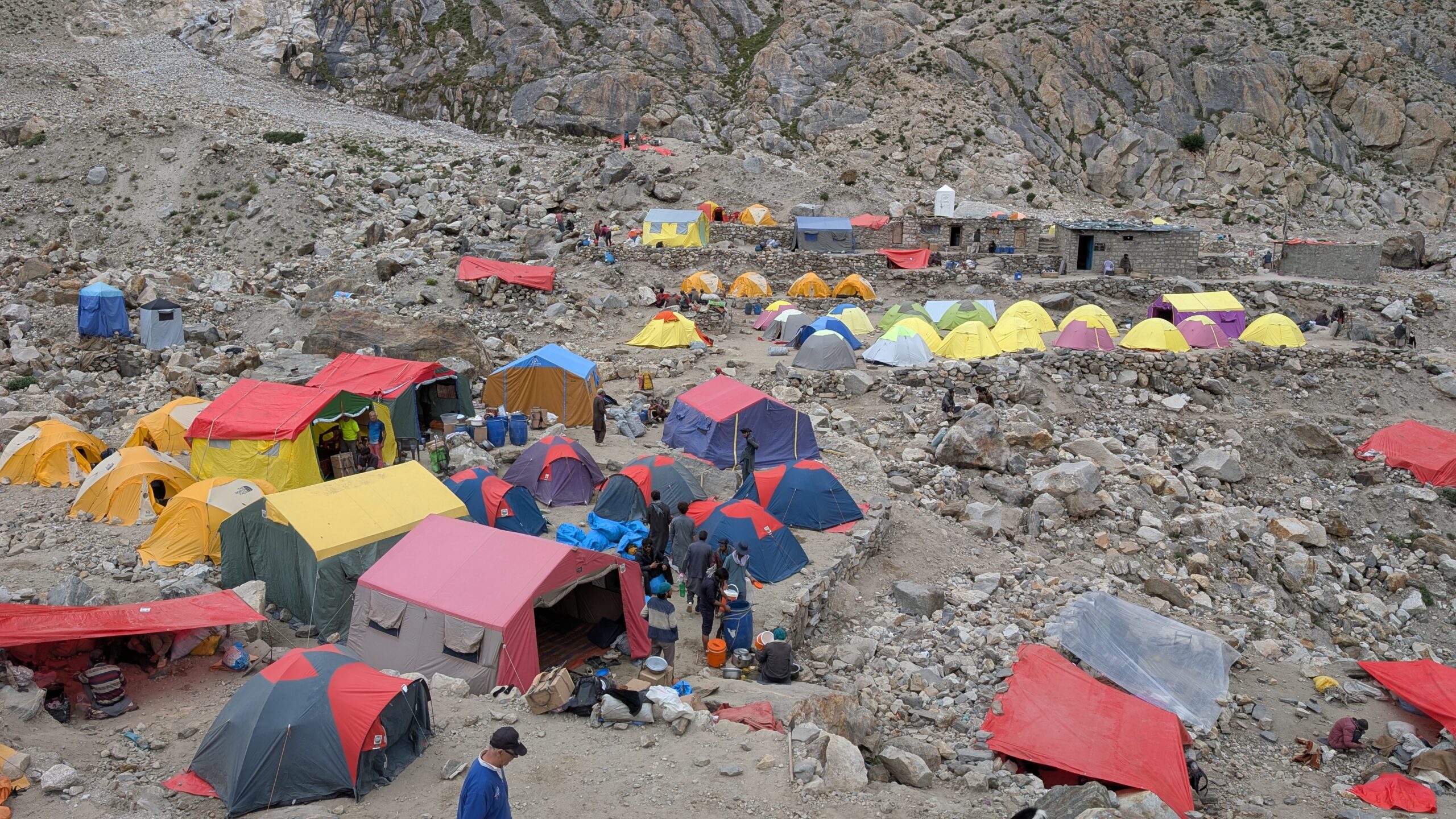
Once you move beyond the road-access sections, the route enters a remote mountain environment with very limited permanent tourist infrastructure. The expedition relies on organized camps, food, porters, guides, transport and careful logistics. If weather changes or a trekker becomes unwell, options are more limited than on a developed hiking route.
5. Weather and Temperature Changes
Conditions in the Karakoram can change quickly. Lower sections may feel warm in the sun, while higher camps can be very cold at night. Wind, cloud, rain or snow can make the same walking section considerably harder. Clothing layers and a realistic pace matter more than trying to follow one forecast perfectly.
K2 Base Camp vs Gondogoro La: They Are Not the Same Difficulty
Standard K2 Base Camp
The standard journey to K2 Base Camp is mainly a high-altitude trekking challenge. Reaching base camp itself normally does not require advanced technical climbing skills. The key requirements are endurance, balance, experience on rough ground, patience at altitude and the ability to cope with a remote camping journey.
K2 Base Camp + Gondogoro La
Gondogoro La changes the character of the trip. The pass is commonly cited at about 5,585 m and is substantially steeper and more serious than the walk to base camp. Depending on snow, ice and route conditions, teams may use fixed ropes, harnesses, helmets, crampons or other traction equipment. The crossing also commonly begins very early to take advantage of firmer conditions and a safer weather window.
If your itinerary includes Gondogoro La, train for a high alpine pass rather than preparing only for normal trail walking.
Do You Need Mountaineering Experience for K2 Base Camp?
For K2 Base Camp itself, usually no. You are trekking to the foot of the mountain, not climbing K2. Standard trekking does not require skills such as lead climbing, technical ice climbing or establishing high camps on the Abruzzi Spur.
Previous trekking experience is still highly valuable. Ideally, you should already know how your body responds to full-day hikes, consecutive walking days, carrying a daypack, camping, rough trails, colder conditions and higher elevations.
If K2 would be your first ever hike, build experience on easier mountain routes first. That makes the K2 journey safer and much more enjoyable.
How Fit Do You Need to Be for K2 Base Camp?
You do not need elite athletic fitness. You need trekking fitness: the ability to move at a controlled pace for several hours, recover, sleep and repeat that effort the following day.
A useful pre-trip goal is to be comfortable completing a long hill walk while carrying the same approximate daypack you plan to use in Pakistan, then being capable of walking again the next day.
- Aerobic endurance – for continuous moderate effort over many hours.
- Leg strength – especially quads, hamstrings, glutes and calves for rough ground and descents.
- Core strength – to maintain posture and stability with a pack.
- Balance and ankle stability – particularly useful on moraine and uneven glacier terrain.
- Recovery capacity – because the trek is built around repeated days, not one hard workout.
A Practical 12-Week K2 Base Camp Training Plan
Twelve weeks is a useful focused preparation window for someone who already has a reasonable fitness base. If you are currently inactive, start earlier and progress gradually. The goal is not to become a fast runner. The goal is to arrive able to sustain long periods of walking without breaking down.
Weeks 1-4: Build the Base
- Brisk walking, cycling or easy running: about 3 sessions per week.
- Strength training: about 2 sessions per week.
- Hill or stair session: about 1 session per week.
- Long weekend walk: 1 session per week.
- Regular mobility, easy recovery and adequate sleep.
Useful strength exercises include squats, step-ups, lunges, calf raises, controlled step-downs, planks and basic back exercises. Use loads you can control with good form.
Weeks 5-8: Build Trekking Endurance
Gradually increase your long hiking time and start using the boots and daypack you expect to use on the trek. Add hills whenever possible. Introduce occasional back-to-back walking days so your body learns to move while carrying residual fatigue.
| Day | Example Focus |
| Monday | Rest or mobility |
| Tuesday | Cardio |
| Wednesday | Leg and core strength |
| Thursday | Hill or stair workout |
| Friday | Rest |
| Saturday | Long hike with daypack |
| Sunday | Easy recovery walk or second moderate hike |
Weeks 9-11: Make Training Trek-Specific
This should be your strongest block. Long hikes should include hills, uneven trails where available, your normal trekking footwear and a realistic daypack. One or two weekends with significant walking on both Saturday and Sunday can be valuable, provided you are recovering well and remain injury-free.
Week 12: Reduce the Load
Do not try to prove your fitness in the final week. Reduce training volume, keep moving lightly and let your legs recover. Arriving healthy and rested is more useful than completing one last exhausting workout.
Cardio or Strength: Which Matters More?
You need both. Cardiovascular fitness helps you keep moving, while leg and core strength help you move efficiently on rough terrain. Hiking-specific endurance is particularly valuable because running speed does not automatically prepare your ankles and legs for hours of moraine walking.
A balanced K2 preparation plan combines cardio, strength, hills, long walks and occasional consecutive walking days.
Altitude: Fitness Cannot Replace Acclimatization
A very fit person can still develop altitude sickness. Gradual ascent, appropriate acclimatization days, hydration, rest and reporting symptoms early are more important than trying to move fast.
If you have a medical condition, a history of severe altitude illness, or concerns about high-altitude travel, speak with a qualified healthcare professional before departure. Medication decisions should be made with medical guidance rather than copied from another trekker.
Possible Warning Symptoms
Headache after gaining altitude, especially when combined with unusual fatigue, dizziness, nausea or disturbed sleep, can be a warning sign of acute mountain sickness. Severe or worsening symptoms require prompt assessment by the guide team and medical professionals. Do not hide symptoms simply to keep moving toward base camp.
Mental Fitness Matters More Than People Expect
K2 is not difficult only because of physical effort. The route is remote, comfort is limited, weather can change plans and progress over broken ground can feel slow. Trekkers who cope well usually accept those conditions instead of fighting them.
Patience is a real trekking skill. You do not need to be the fastest person in the group. You need to remain consistent and make sensible decisions day after day.
What Should You Carry Yourself?
On a professionally organized trek, porters and the support team handle much of the expedition equipment, but you still carry a daypack. Keep it practical rather than heavy.
- Water
- Waterproof shell
- Extra warm layer
- Sun protection
- Snacks
- Personal medicine
- Phone or camera
- Small personal essentials
For a complete equipment checklist, see the Complete Packing List for High-Altitude Treks in Pakistan.
Who Is K2 Base Camp Suitable For?
The trek can be a good choice if you:
- already enjoy long mountain walks;
- have good general fitness;
- can train consistently before departure;
- are comfortable with camping and basic conditions;
- understand that weather and route conditions can change;
- are patient enough to acclimatize properly;
- enjoy remote wilderness more than luxury travel.
Who Should Prepare More Before Attempting It?
Consider building more experience first if you have never completed a full-day hike, have never walked on consecutive days, currently have very low fitness, are recovering from injury or expect the trail to be smooth and comfortable throughout.
That does not mean K2 Base Camp is permanently out of reach. It means an easier trek can be a smart stepping stone.
For broader preparation and route planning, read the Trekking Guide in Pakistan Mountains.
Is K2 Base Camp Harder Than Everest Base Camp?
They are different rather than directly interchangeable. Everest Base Camp in Nepal reaches a higher sleeping and trekking environment in places, while the K2 route generally feels more expedition-like because of its remote camping, long glacier sections, rough moraine and limited permanent infrastructure.
The better question is not which famous trek has the tougher reputation. Ask which environment you are better prepared for, how your itinerary handles acclimatization and what level of support is available.
How Long Should You Train for K2 Base Camp?
For an already active person, around 12-16 weeks of focused preparation is a sensible practical target. If you are starting from a low fitness base, begin several months earlier. If you already hike every weekend, your focus may be back-to-back endurance, pack carrying, hill work and leg strength rather than basic cardio.
How Difficult Is the SummitK2 K2 & Gondogoro La Trek?
SummitK2 currently lists its K2 Base Camp & Gondogoro La Trek as a 20-day / 19-night journey with a maximum group size of 12. Because the trip combines the Baltoro approach, K2 Base Camp and the Gondogoro La crossing, it should be treated as a serious high-altitude adventure rather than a beginner sightseeing trip.
Before booking, review the full itinerary on the K2 Base Camp & Gondogoro La Trek page.
If you are comparing total trip expenses first, read the newly published K2 Base Camp Trek Cost in Pakistan guide.
Frequently Asked Questions
Is the K2 Base Camp Trek difficult?
Yes. It is a strenuous high-altitude trek because of altitude, long walking days, rough glacier and moraine terrain, remote camps and cumulative fatigue. The standard route to base camp is normally non-technical.
Can a beginner trek to K2 Base Camp?
A complete beginner should ideally gain hiking experience first. You do not need to be a climber, but previous full-day and multi-day trekking experience is strongly recommended.
Do you need climbing skills for K2 Base Camp?
Technical climbing skills are normally not required to reach K2 Base Camp. Gondogoro La is different and can involve fixed ropes, crampons or other safety equipment depending on conditions.
What is the altitude of K2 Base Camp?
K2 Base Camp is commonly cited at approximately 5,150 m above sea level. GPS figures can vary slightly according to the exact point measured.
How many hours do you walk each day?
Many trekking days involve several hours of walking, and some days may be considerably longer. Duration changes with the itinerary, weather, camp location, terrain, altitude and group pace.
How many weeks should I train?
Around 12-16 weeks of focused preparation is a sensible target for an already active trekker. Start earlier if your current fitness level is low.
Is the standard K2 Base Camp Trek technical?
No, the normal trekking route to Base Camp is generally non-technical, but altitude, glacier terrain and remoteness still make it demanding.
Is Gondogoro La harder than K2 Base Camp?
Yes. The pass is steeper, higher and more technical in character. Snow, ice and fixed-rope procedures can make it substantially more demanding.
Can good fitness prevent altitude sickness?
No. Good fitness can make walking easier, but it does not guarantee protection from altitude illness. Proper acclimatization and early response to symptoms remain essential.
How should I train for K2 Base Camp?
Focus on long hikes, cardiovascular endurance, leg strength, core stability, hill or stair training and occasional back-to-back hiking days. Train in the boots and daypack you plan to use.
Final Thoughts: Is the K2 Base Camp Trek Too Hard?
For most travelers, the most useful question is not “Is K2 Base Camp easy?” It is not. The better question is “Can I prepare well enough to do it?” For many healthy and motivated trekkers, the answer is yes.
The standard trek does not demand elite athletic performance or advanced climbing skills. It demands endurance, preparation, patience and respect for altitude. Train consistently, spend time on hills, strengthen your legs, learn how your body responds to long walking days, break in your boots and choose an itinerary that allows sensible acclimatization.
When you finally enter the high Karakoram, the goal is not to be the fastest trekker in the group. It is to arrive prepared enough to enjoy being there.
| READY TO PLAN YOUR K2 TREK? Explore the complete K2 Base Camp & Gondogoro La itinerary with SummitK2 Trek & Tours. View K2 Base Camp & Gondogoro La Trek |


Leave a comment: