

To More Inquiry
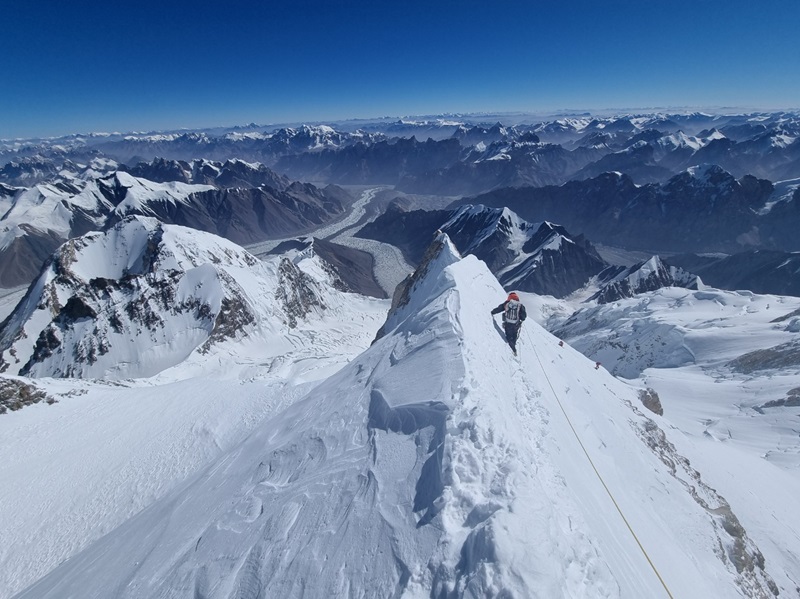

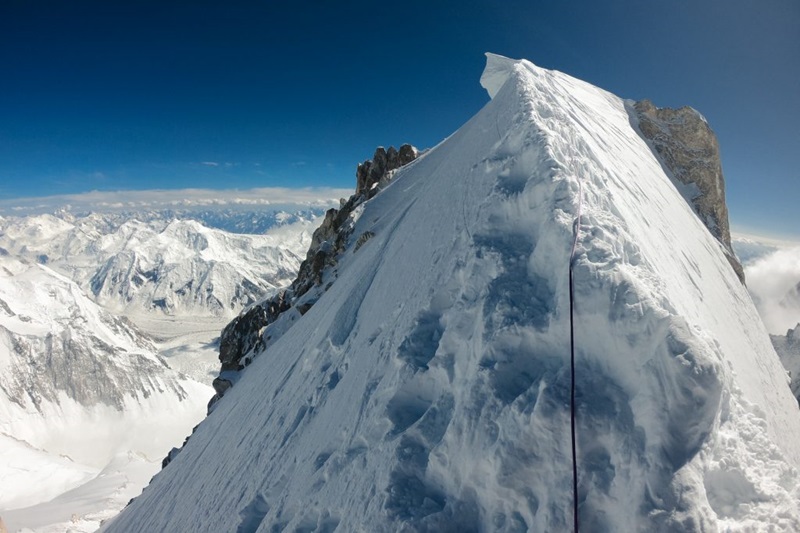
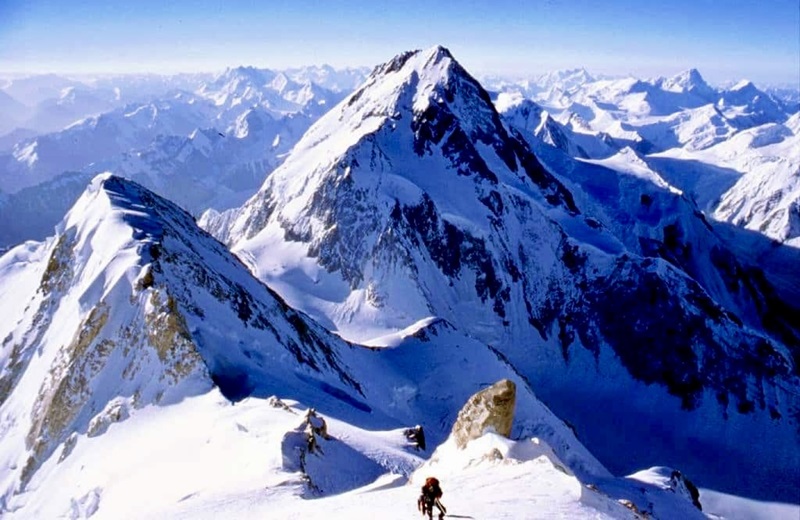
Gasherbrum II, standing at 8,035m, is the 13th highest mountain in the world and is often considered one of the more approachable 8,000m peaks. The expedition combines a long approach trek on the Baltoro Glacier with technical but achievable climbing above base camp. Climbers need to be fit, well-prepared, and ready for extended periods on snow, ice, and mixed terrain. The reward is a summit view that opens across the entire Karakoram, including K2, Broad Peak, and the Gasherbrum range.
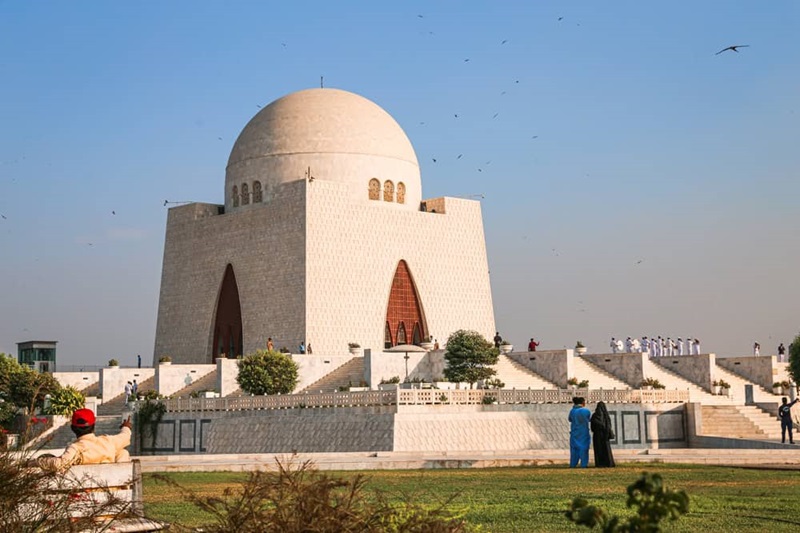
Arrive at Islamabad International Airport and meet our expedition staff. Transfer to the hotel where the team leader provides a detailed briefing on the climb, logistics, and safety measures. In the evening, rest or take a short walk to explore the city.
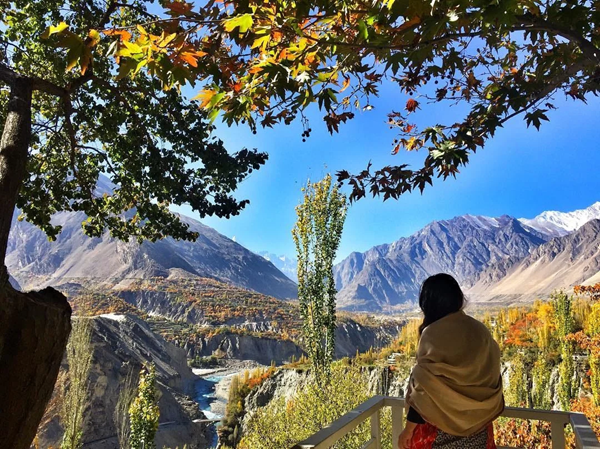
Take the mountain flight to Skardu, which on clear days offers close views of the Karakoram giants. If weather prevents flying, the alternate route follows the Karakoram Highway by road. Though long, the road journey passes through valleys, cliffs, and along the Indus River, giving the first glimpse of the rugged region.
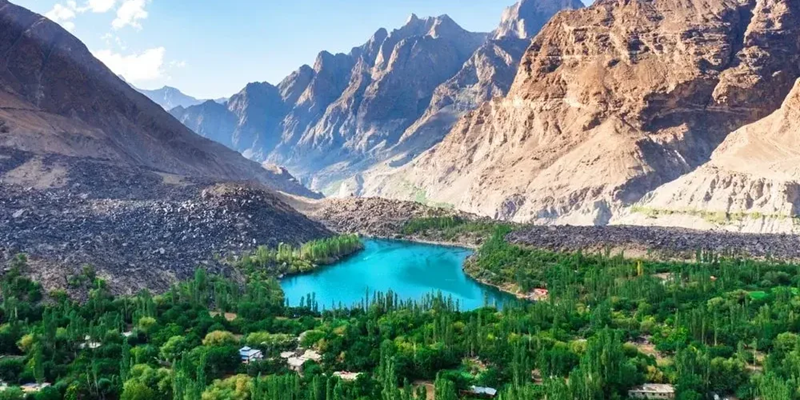
Today is for official briefings, equipment inspection, and final permit clearance. The day also gives time to adjust to the altitude of Skardu. You may walk around the local bazaar, fort, or nearby lakes in your free time.
A rough jeep track winds through the Shigar Valley, crossing suspension bridges, steep gorges, and remote settlements. Askole is the last permanent village before the glaciers, where porters organize loads and the trek officially begins.
The trek starts along the Braldu River, with paths cutting across sandy sections and narrow ridges. Wooden bridges cross rivers and streams before reaching Jhola camp, a small site near the water.
Walk for 6–7 hours through open terrain and stony riverbanks. As you approach Paiju, tall granite towers rise in the distance. Paiju serves as a major rest point for expeditions entering the Baltoro Glacier.
Porters take this day to prepare loads for the glacier. For climbers, short walks around the hills help with acclimatization. The camp is lively with multiple teams heading towards K2, Broad Peak, and Gasherbrum.
Step onto the Baltoro Glacier, navigating a mix of ice and rock. The path winds across ridges and moraine before reaching Khoburtse, a narrow campsite surrounded by steep cliffs and icy walls.
Climb steadily to reach Urdukas, set on a grassy slope above the glacier. The campsite offers wide views of granite peaks and provides a more comfortable night compared to the icy glacier camps.
The trail crosses the central Baltoro Glacier, weaving through crevasses and rocky sections. The surrounding peaks grow taller and sharper, giving the impression of entering the heart of the Karakoram.
Today’s walk leads to Concordia, the legendary meeting point of glaciers. From here, several 8,000m peaks dominate the skyline. The camp is one of the most memorable spots of the entire journey.
Follow the upper Baltoro and turn towards the Gasherbrum Glacier. The campsite at base camp is set on rocky moraine directly beneath Gasherbrum I and II. Here begins the preparation for the climb.
This phase focuses on acclimatization, load carrying, and establishing higher camps. The normal route involves:
After clearing base camp, trek back across the glacier to Concordia. It’s a chance to rest and reflect after the long weeks on the mountain.
Follow familiar glacier paths back to Goro II. The descent is faster, though still requires care on ice and rock.
Return to Urdukas camp. Green patches and more comfortable terrain provide relief after weeks at higher altitudes.
Continue the descent to Paiju. This is often a celebratory evening with the porters and climbers sharing stories of the climb.
Walk back along the Braldu River to Jhola camp. Warmer temperatures and easier trails mark the return to the lowlands.
Final trekking day of the expedition, arriving back at Askole village. Spend the night under the open sky for the last time of the journey.
Jeep ride back to Skardu through valleys and gorges. Arrival at the hotel marks the welcome return to comfort, fresh food, and rest.
If weather allows, fly back to Islamabad. Otherwise, return by road along the Karakoram Highway.
Debriefing with the Alpine Club of Pakistan before transfer to the airport. End of the Gasherbrum II Expedition.
For more details, please fill out the form below. Our team will get back to you shortly.
Get updates on Expedition & treks offers





Comments (2)
QEzzNaytHMYpfjfL,
11 November, 2025VeNxbdnrFhGhzgPlQvRiw
OXzQiIxnCHqLFraGqcrWWEww,
11 November, 2025sTWTLeSelspsjhCUfRoj